Winter Car Maintenance Checklist: Prepare Your Vehicle for Cold Weather
When temperatures drop and roads become icy, vehicles face a different set of demands. Cold weather affects numerous components, from the battery to the tires, and even the fluids that keep the engine running smoothly. Taking time to inspect and address these areas before winter sets in can help reduce the likelihood of unexpected breakdowns and improve overall driving comfort. This article provides a structured overview of key checks that drivers may consider as part of a seasonal maintenance routine.
Rather than a strict set of requirements, the following points represent common practices observed by many vehicle owners and professionals. The effectiveness of any maintenance action depends on the specific condition of the vehicle, local climate, and driving habits. By approaching winter preparation as an informed, methodical process, drivers can better understand what their vehicle needs to handle colder conditions.
Below is a breakdown of the main areas worth inspecting. Each section outlines what to look for and why it matters, without prescribing guaranteed outcomes. The goal is to offer a framework that can be adapted to individual circumstances.
Battery and Electrical System
Cold temperatures can reduce a battery’s capacity to deliver power, sometimes significantly. A battery that functions adequately in mild weather may struggle to start an engine in freezing conditions. It is advisable to have the battery tested before winter, especially if the battery is more than three years old. A simple voltage test can indicate whether the charge level remains within a healthy range.
In addition to the battery itself, the electrical system includes connections, cables, and the alternator. Corrosion on terminals can impede current flow, so cleaning the terminals and ensuring tight connections may help maintain reliable performance. Some drivers opt for a professional load test to evaluate how the battery holds up under simulated starting conditions. If the battery shows signs of weakness, replacing it before the cold arrives can reduce the chance of a no-start situation on a frigid morning.
Tires and Traction
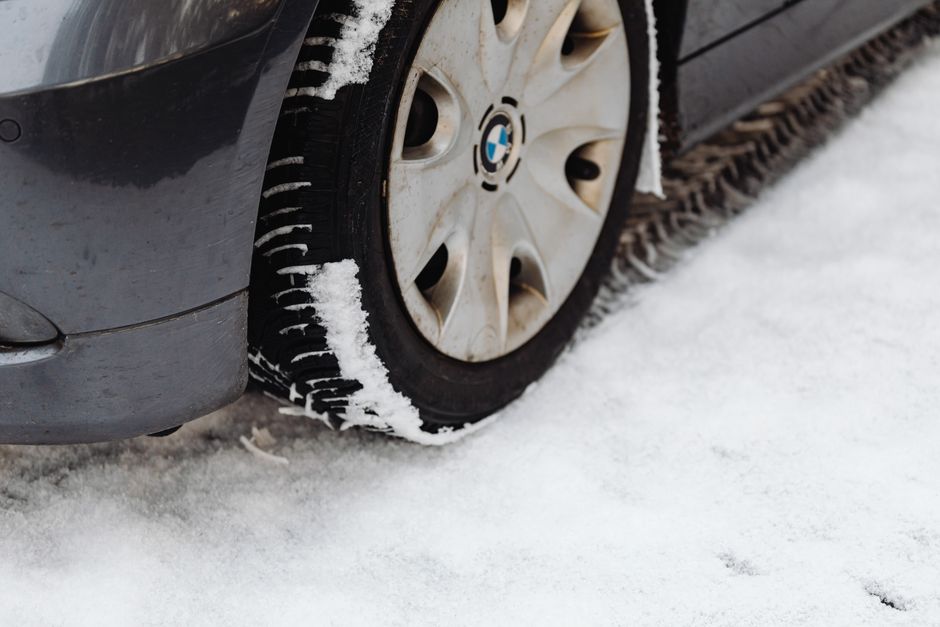
Tire condition plays a central role in winter driving safety. Cold pavement reduces tire grip, and snow or ice further complicates traction. Checking tread depth is a straightforward step—less than 4/32 of an inch is generally considered inadequate for winter conditions. Many tire professionals recommend using dedicated winter tires in regions that experience sustained snow and ice, as their rubber compounds remain flexible in low temperatures and their tread patterns are designed to channel slush and snow.
Tire pressure also needs attention, as colder air causes pressure to drop. Underinflated tires can affect handling and fuel efficiency. Drivers may check pressure regularly during winter months and adjust to the manufacturer’s recommended level. For those who drive in areas with heavy snow, carrying a set of tire chains or cables may be a practical precaution. However, chains should be used only when conditions warrant and should be installed according to local regulations.
Cooling System and Antifreeze
The cooling system does more than prevent overheating; it also protects the engine from freezing. Antifreeze (coolant) is a mixture of ethylene glycol or propylene glycol and water. The ratio of coolant to water determines the freezing point of the mixture. A 50/50 blend is common and typically protects down to around -30°F, but colder regions may require a higher concentration of coolant (up to 70%). Pure coolant should not be used, as it actually freezes at a higher temperature than a proper mixture.
Drivers can check the coolant level in the reservoir when the engine is cold. If the level is low, topping off with the correct mixture is advisable. It is also worth inspecting hoses and clamps for signs of cracking or leaks, as a failure in the cooling system can lead to overheating or coolant loss. A pressure test performed by a mechanic can reveal hidden leaks. Flushing and replacing old coolant every few years, as specified by the vehicle manufacturer, can help maintain the system’s protective properties.
Heating and Defrosting System
An effective cabin heater and defroster are essential for comfort and visibility during winter. The heating system relies on the engine’s coolant to warm the air that enters the cabin. If the heater produces insufficient heat, it may indicate a low coolant level, a stuck thermostat, or a failing heater core. Similarly, the defroster directs warm air to the windshield and rear window to clear ice and condensation. Rear window defrosters use electrical grids that can sometimes develop breaks; inspecting the grid for continuity can help determine if repair is needed.
It is advisable to test the heater and defroster before temperatures drop significantly. Running the system for a few minutes on a cold day can reveal whether airflow is adequate and whether any unusual smells or noises are present. A properly functioning defroster reduces the time needed to clear windows, which contributes to safer driving from the start of each trip.
Additional Essential Checks
Beyond the major systems, several other components deserve attention as part of a comprehensive winter preparation. Windshield wipers should be in good condition, as worn blades can leave streaks that impair visibility in rain, snow, or sleet. Many drivers switch to winter wiper blades, which are designed to resist ice buildup. Windshield washer fluid must be rated for low temperatures; standard summer fluid can freeze and damage the reservoir or lines.
Headlights, taillights, turn signals, and brake lights all play a role in being seen and seeing the road in low-light conditions. Checking that all lights function properly and cleaning lenses from dirt or oxidation can improve illumination. Brakes are another critical system—worn pads or rotors reduce stopping power, especially on slippery surfaces. A brake inspection before winter can identify components that may need replacement.
Finally, an emergency kit stored in the vehicle can provide peace of mind. Common items include a blanket, flashlight, extra batteries, first-aid supplies, non-perishable snacks, a shovel, ice scraper, and jumper cables. While no kit can guarantee safety in every situation, having these supplies available may assist in minor emergencies until help arrives.
By addressing these areas in a structured manner, drivers can enter the winter season with a clearer understanding of their vehicle’s condition. Regular maintenance, performed according to the vehicle manufacturer’s recommendations and adapted to local conditions, remains the most reliable approach to winter driving readiness.