New Emissions Regulations Impacting European Car Manufacturers in 2025
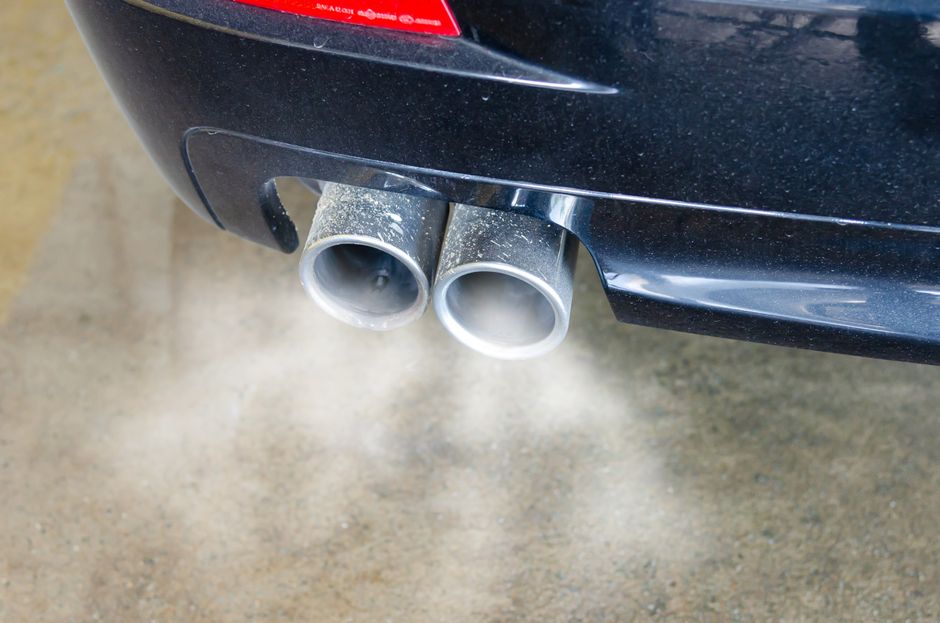
The automotive industry is preparing for a significant regulatory shift as the European Union moves toward implementing the Euro 7 emissions standards, scheduled to take effect in 2025. These regulations represent a substantial tightening of limits on pollutants such as nitrogen oxides (NOx), carbon monoxide, and particulate matter, extending beyond the current Euro 6 requirements. While the standards apply to all new vehicles sold within the EU, their implications are particularly pronounced for manufacturers whose product portfolios include diesel engines and various forms of hybrid technology. Understanding the technical and strategic adjustments that lie ahead is essential for industry observers and stakeholders navigating this evolving landscape.
Euro 7 is designed to reduce real-world emissions, not only during laboratory testing but under actual driving conditions. This shift reflects a broader regulatory trend toward closing the gap between certification results and on-road performance. For manufacturers, this means that every component of the powertrain and exhaust after-treatment system must function effectively across a wider range of temperatures, speeds, and load conditions. The new standards also introduce stricter limits for brake and tire particle emissions, further broadening the scope of compliance requirements.
The following sections examine how these regulations influence diesel engine development and hybrid vehicle strategies, the technical approaches being explored, and the broader context within which manufacturers are adjusting their engineering and production roadmaps.
Understanding the Euro 7 Regulatory Framework
The Euro 7 standards build upon previous iterations by lowering emission limits and introducing more rigorous testing protocols. For gasoline and diesel engines, the NOx limit is expected to drop significantly compared to Euro 6, while particulate number limits are also tightened. One of the most notable changes is the extension of emission limits to lower ambient temperatures, meaning vehicles must maintain low emissions even in cold conditions where performance typically degrades. Additionally, the standards impose stricter durability requirements, requiring that emission control systems remain effective for longer vehicle lifetimes, potentially up to 200,000 kilometers or more.
Compliance will be assessed through on-road portable emissions measurement systems (PEMS) and laboratory cycles that better represent urban driving, highway cruising, and stop-and-go conditions. The regulatory body also plans to monitor real-world driving emissions using data from onboard sensors, adding a layer of continuous oversight. For manufacturers, this necessitates robust diagnostic systems that can detect and report emission system malfunctions in real time. The framework also introduces a new element: limits on ammonia emissions from selective catalytic reduction (SCR) systems used in diesel engines, which means that the current urea-based after-treatment solutions must be carefully managed to avoid secondary pollutants.
From a process perspective, carmakers are required to validate their vehicles across a matrix of driving scenarios, including high altitude, steep gradients, and varying payloads. This comprehensive testing approach aims to ensure that emission reductions are not limited to ideal laboratory conditions but are consistently achieved under everyday use. The cost and complexity of such validation processes are prompting manufacturers to explore integrated hardware-software solutions rather than relying solely on after-treatment additions.
Implications for Diesel Engine Technology
Diesel engines have long been a focus of regulatory attention due to their higher NOx and particulate emissions compared to gasoline counterparts. Under Euro 7, diesel powertrains face the most stringent limits ever proposed in Europe. Meeting these standards requires multiple enhancements to both the combustion process and the exhaust after-treatment chain. Engineers are investigating advanced combustion strategies that reduce peak flame temperatures and limit NOx formation at the source. Techniques such as low-temperature combustion, variable compression ratios, and improved fuel injection patterns are being refined to work in conjunction with traditional after-treatment components.
The conventional diesel after-treatment system typically includes a diesel oxidation catalyst (DOC), a diesel particulate filter (DPF), and a selective catalytic reduction (SCR) system with urea injection. For Euro 7, the temperature management of these components becomes critical. SCR systems, for instance, require a certain exhaust temperature to operate efficiently. During low-load urban driving or cold starts, the exhaust may be too cool, leading to insufficient NOx conversion. Carmakers are exploring electric heating elements for the catalyst, close-coupled SCR units positioned nearer to the engine, and advanced insulation to retain heat. Some approaches involve integrating a lean NOx trap (LNT) alongside SCR to handle cold periods.
Another area of development is the control software that orchestrates the interaction between engine calibration, after-treatment regeneration, and thermal management. Predictive algorithms using GPS and traffic data can prepare the system for upcoming conditions, such as pre-heating the catalyst before entering a low-emission zone. However, these solutions add complexity and cost, and their long-term reliability under varied driving conditions remains a subject of ongoing testing. The overall direction suggests that diesel engines may become more expensive to produce, potentially narrowing their application to larger vehicles where higher torque and fuel efficiency offer a clear advantage.
Adaptation of Hybrid Technology
Hybrid powertrains, which combine an internal combustion engine with an electric motor and battery, are seen by many as a bridging technology toward full electrification. Euro 7 affects hybrids in distinct ways depending on their architecture and the extent to which the electric motor can supplement or replace the combustion engine. In general, mild hybrids (48V systems) and full hybrids (such as Toyota’s synergy drive) will need to meet the same tailpipe emission limits as conventional vehicles, though their ability to use electric-only propulsion under certain conditions can help reduce overall emissions during certification cycles.
Plug-in hybrid electric vehicles (PHEVs), which offer longer electric-only ranges, are under particular scrutiny. Regulators have noted that real-world CO2 and pollutant emissions from PHEVs often exceed laboratory results when the battery is depleted and the combustion engine operates inefficiently. Euro 7 introduces measures to ensure that PHEVs maintain low emissions regardless of the battery charge state. This means that engine and after-treatment systems must be designed to handle frequent cold starts, short trips, and transitions between electric and hybrid modes without exceeding limits. Some manufacturers are increasing the electric range of their PHEVs to encourage more electric-only driving and reduce the frequency of cold engine starts.
From a technical standpoint, hybrid systems present unique challenges for emission control. The intermittent operation of the internal combustion engine means that the catalyst may cool down during electric driving, leading to higher emissions upon restart. Solutions include using insulated catalysts, electric pre-heating, or even keeping the engine running briefly during low-load electric mode to maintain catalyst temperature. Additionally, the calibration of the engine start-stop strategy must balance fuel economy with emission performance. The integration of predictive energy management, where the hybrid control unit anticipates upcoming driving conditions and adjusts the charge and discharge cycles accordingly, is becoming a common approach. These methods do not guarantee elimination of all emission spikes but aim to reduce their frequency and severity within the regulatory framework.
Manufacturer Strategies and Engineering Approaches
European car manufacturers are pursuing a range of strategies to comply with Euro 7 while maintaining vehicle performance and affordability. One approach involves the development of modular powertrain platforms that can accommodate different engine types and hybridization levels. This allows production lines to remain flexible as demand shifts between diesel, gasoline, hybrid, and fully electric models. For instance, a common engine architecture may support both a mild hybrid variant and a full hybrid variant with variations in the after-treatment system and software calibration.
Another strategy focuses on reducing the reliance on internal combustion engines altogether by accelerating electrification. Several manufacturers have announced plans to phase out new diesel and gasoline engine development and instead invest heavily in battery electric vehicles (BEVs). However, the 2025 timeline for Euro 7 is immediate, and BEVs still represent a portion of total sales, so internal combustion engines will continue to require compliance solutions. Cost optimization plays a major role: some manufacturers are exploring the use of fewer but more effective after-treatment components, such as combining multiple functions into a single unit or using advanced catalyst materials with lower precious metal content.
Collaboration with suppliers is also intensifying. Joint development programs for next-generation exhaust systems, software platforms for real-time emission monitoring, and thermal management technologies are common. Testing facilities are being upgraded to simulate a wider range of real-world conditions, including cold climates and high-altitude environments. In parallel, manufacturers are engaging with regulatory bodies to discuss implementation timelines and potential flexibilities for niche vehicles, though such discussions do not alter the fundamental direction of the standards. The process of compliance is iterative, involving multiple rounds of design, simulation, prototype testing, and calibration refinement before a vehicle can be certified for sale.
Broader Context for the Automotive Industry
The introduction of Euro 7 arrives at a time when the automotive industry is already navigating a complex transition toward electrification, digitalization, and changing consumer preferences. For manufacturers with significant investments in diesel and hybrid technology, the new regulations add pressure on research and development budgets. The cost of compliance could be substantial, potentially impacting vehicle pricing and model availability. Some analysts suggest that the added expense may accelerate the retirement of smaller diesel engines from the market, particularly in passenger cars, while retaining diesel in larger commercial vehicles where alternatives are less mature.
From a global perspective, Euro 7 sets a benchmark that influences regulatory developments in other regions, though each market tailors its own standards. For companies that export vehicles to Europe, the compliance process involves adapting their global platforms to meet regional requirements, which can lead to increased engineering complexity. The emphasis on real-world emissions also encourages a shift toward more rigorous testing practices worldwide. In the United States, the Environmental Protection Agency has its own set of standards, but the European approach to on-road monitoring is informing discussions around continuous compliance surveillance.
Ultimately, the success of the Euro 7 standards depends on a combination of technological innovation, regulatory enforcement, and market acceptance. Manufacturers are not guaranteed to achieve seamless compliance, but they are actively refining their methodologies across engine design, after-treatment systems, software control, and testing protocols. The next few years will reveal how these collective efforts shape the future of internal combustion engines in the European market and beyond.